
Near Field Communication (NFC) is the technology that lets a smartphone read data from a physical object in under a second, with no app, no scan, and no typing required. For creatives and professionals, this single tap is the difference between a forgettable handshake and a lasting digital connection. How creatives stand out with NFC comes down to one principle: turning physical touchpoints into persistent, updatable digital experiences. From NFC business cards to embedded artwork and micro-chipped merchandise, the applications are wide and the results are measurable.
How creatives stand out with NFC versus traditional networking tools
NFC removes the friction that kills first impressions. Paper cards get lost. QR codes require a camera app, good lighting, and a steady hand. NFC requires none of that. One tap on any modern smartphone opens your portfolio, social links, or booking page instantly.
The engagement difference is not marginal. NFC engagement rates are meaningfully higher than QR codes because there is no scanning or URL typing involved. That ease of use translates directly into more people actually viewing your work, not just pocketing a card they will never look at again.
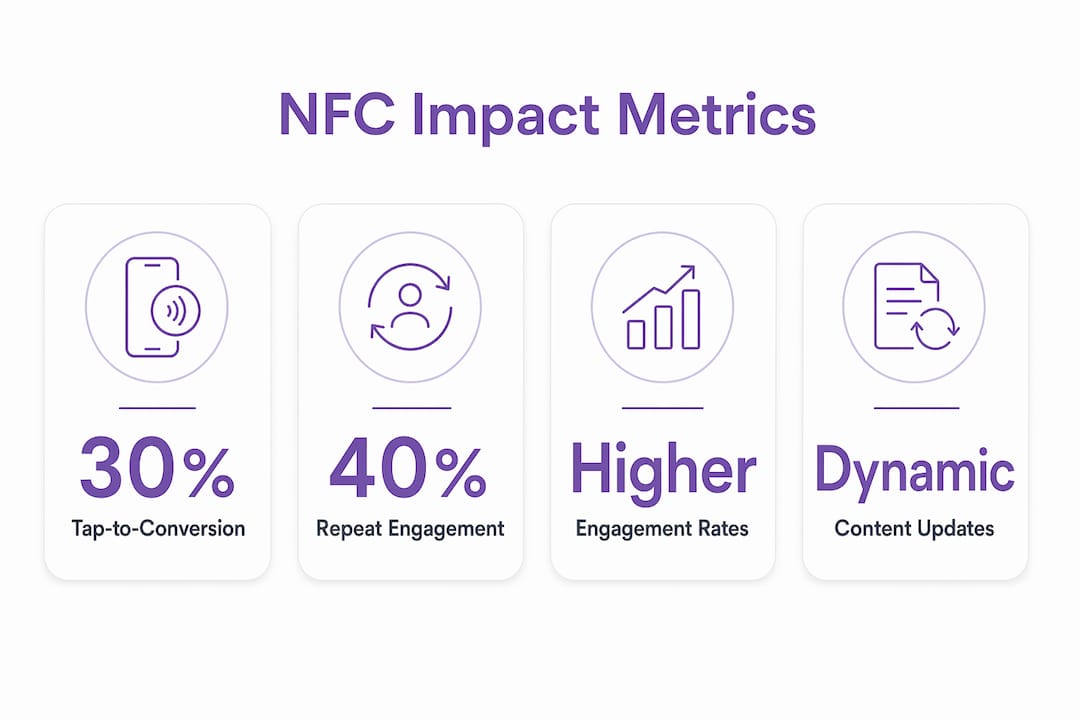
The data advantage is equally significant. Enterprises using NFC report 15–30% tap-to-conversion rates and up to 40% retention lift compared to passive marketing methods. For a freelance designer or independent artist, those numbers mean more enquiries, more bookings, and a clearer picture of which touchpoints actually work.
NFC also supports dynamic content. Unlike a printed card, an NFC tag can point to different destinations over time. You can send a contact to your portfolio today and redirect them to a new exhibition or client testimonial page next month, without reprinting anything.
Pro Tip: Set up your NFC tag with a dynamic URL from day one. This gives you the freedom to update your destination page without ever touching the physical card or tag again.
Key advantages over traditional tools:
- No app required on the recipient's phone
- Works on all modern iOS and Android devices
- Supports unlimited social links, contact saving, and Google reviews
- Provides real-time analytics on who tapped, when, and where
- Content updates instantly without replacing the physical item
Creative applications of NFC in personal branding and portfolio sharing
The most effective NFC applications for creatives treat physical objects as living portals. The object itself carries your brand identity. The tap delivers your digital world.
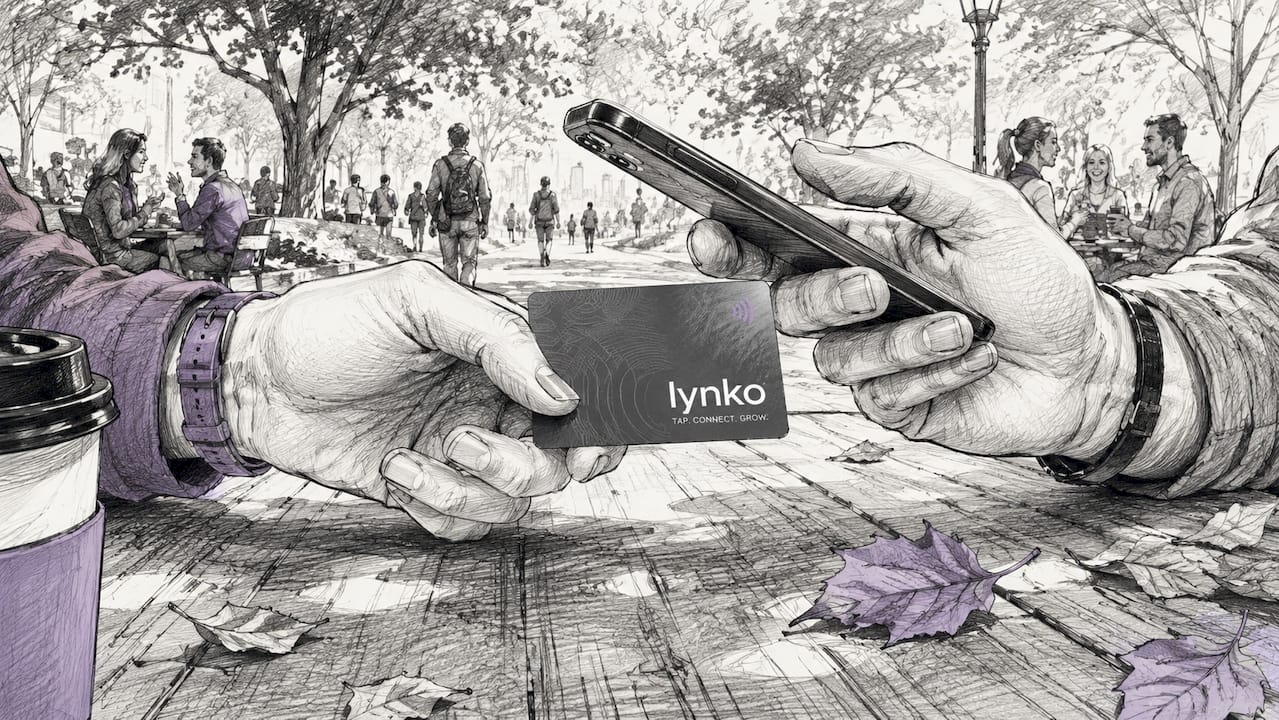
NFC business cards
The business card is the most direct application. A Lynko NFC card holds your full digital profile: portfolio links, social media, contact details, and a booking form. When you hand it to a potential client at a networking event, they tap it and land on a mobile page that represents you exactly as you want to be seen. There is no fumbling with a phone camera, no mistyped email address, and no card that ends up in a bin. You can showcase your brand identity at every event without reprinting a single sheet.
NFC in physical products and artwork
Fashion designers are already embedding NFC at the product level. Paolina Russo's FW26 collection features micro-chipped badges that link directly to e-commerce, turning garments into direct-to-consumer sales channels. The same logic applies to artists selling prints, ceramics, or installations. An NFC chip embedded in the frame or packaging links the buyer to provenance information, the artist's full catalogue, or a private video about the work's creation.
NFC in marketing materials and events
Creatives working in marketing and events can embed NFC into posters, exhibition stands, product packaging, and even wine corks. Dentsu Creative ran a campaign where NFC-embedded wine corks let diners book regional travel experiences with a single tap during a meal. The physical object became the call to action. That is the level of integration that makes NFC genuinely memorable rather than merely functional.
A numbered approach to building your NFC presence:
- Choose your primary touchpoint. Start with one object: a business card, a product tag, or a printed piece.
- Build a mobile-optimised landing page. Your post-tap destination must load in under three seconds and offer one clear action.
- Programme with a dynamic URL. Use a redirect service so you can update the destination without changing the physical tag.
- Track every tap. Use analytics to understand which touchpoints generate the most engagement.
- Expand to secondary touchpoints. Once your first tag performs well, embed NFC into packaging, merchandise, or exhibition materials.
Pro Tip: When embedding NFC into artwork or products, treat the chip placement as part of the design. A discreet, well-placed tag signals craft and intention. A visible, poorly placed sticker signals afterthought.
What are the best technical practices for NFC interactions?
The post-tap experience determines whether NFC works or fails. A tap that leads to a slow, generic homepage wastes the moment entirely. Landing pages for NFC should deliver a direct booking option, a pre-populated enquiry form, or exclusive video content within five seconds of the tap. Every second of delay reduces the chance of conversion.
Use dynamic URLs
Dynamic URL configurations let you change the destination of an NFC tag without replacing the physical item. A photographer can point their card to a wedding portfolio in spring and redirect it to a commercial portfolio in autumn. This flexibility makes NFC a long-term asset rather than a one-time print run.
Implement GS1 Digital Link
The GS1 Digital Link standard ensures NFC links work universally across all devices without requiring any native app. This matters because a broken or app-dependent link at the moment of tap destroys trust instantly. GS1 Digital Link is the industry standard for broad compatibility, and creatives working with products or luxury goods should treat it as non-negotiable.
Design for immediate action
Your landing page is not a homepage. It is a conversion tool. The table below outlines what each type of creative professional should prioritise on their post-tap page.
| Creative type | Primary post-tap action | Secondary element |
|---|---|---|
| Freelance designer | Portfolio gallery | Contact form |
| Photographer | Recent project showcase | Booking calendar |
| Artist | Work provenance and catalogue | Purchase or enquiry link |
| Marketing professional | Case studies | LinkedIn or social profile |
| Event creative | Current project reel | Direct message or call link |
Integrating NFC early in the design phase of any creative project ensures the tag, the landing page, and the physical object work as a unified system. Adding NFC as an afterthought produces a disjointed experience that reflects poorly on the creator.
How does NFC align with EU regulations affecting creatives?
EU Regulation 2024/1781, known as the Ecodesign for Sustainable Products Regulation (ESPR), requires Digital Product Passports for a growing range of product categories by 2027. These passports must carry verifiable information about materials, provenance, and sustainability. NFC is the primary delivery mechanism for this data.
Creatives working in fashion, luxury goods, or product design face a direct compliance requirement. NFC tap-to-verify chips allow professionals to meet Digital Product Passport mandates while simultaneously creating a branded consumer experience. Compliance and marketing become the same action.
The luxury and fashion sectors are already moving. Brands embedding NFC for authenticity verification gain a dual benefit: they satisfy regulatory requirements and they give buyers a reason to engage with the product digitally after purchase. For independent creatives, early adoption of NFC for provenance and transparency positions them ahead of the regulatory curve. Clients in regulated sectors will increasingly expect their suppliers and collaborators to understand and support these standards.
Key takeaways
NFC is the most direct tool available for creatives to turn physical encounters into measurable digital relationships, and early adoption in 2026 creates a clear competitive advantage.
| Point | Details |
|---|---|
| NFC outperforms QR codes | Tap-based interaction removes friction and produces higher engagement than scanning or manual URL entry. |
| Dynamic URLs extend card life | Updating your destination page without reprinting makes NFC a long-term brand asset. |
| Post-tap experience is critical | Landing pages must load fast and offer one clear action within five seconds of the tap. |
| EU regulation drives adoption | ESPR and Digital Product Passports make NFC a compliance requirement for creatives in fashion and product design by 2027. |
| Physical design matters | The aesthetic of an NFC-enabled object builds brand recall as much as the digital content it delivers. |
Why NFC is about human connection, not just technology
I have watched creatives adopt NFC for the wrong reason: because it sounds impressive. The technology itself is not the point. What matters is the moment it creates.
When someone taps your card and lands on a page that feels genuinely yours, with your work, your voice, and a clear way to reach you, that is not a tech demo. That is a first impression that lasts. The physical design of NFC-enabled items carries as much weight as the digital content behind them. A beautifully crafted card with a thoughtful landing page tells a client everything about how you approach your work.
The creatives I have seen get the most from NFC treat every tap as a relationship, not a transaction. They use the analytics to understand which events and contexts generate real interest. They update their landing pages regularly, so returning contacts always find something new. They think of the NFC tag as a persistent asset, not a disposable gimmick.
The Dentsu wine cork campaign is the clearest example I know of NFC done right. The technology disappeared entirely. What remained was an emotionally resonant moment: a diner, a meal, a tap, and a booking for a trip they had not planned five minutes earlier. That is what NFC can do for a creative professional who thinks carefully about context, timing, and the experience on the other side of the tap.
— Olivier
Lynko NFC cards for creative professionals in the UK
Creatives who want to put these principles into practice without building a custom tech stack have a direct route through Lynko.
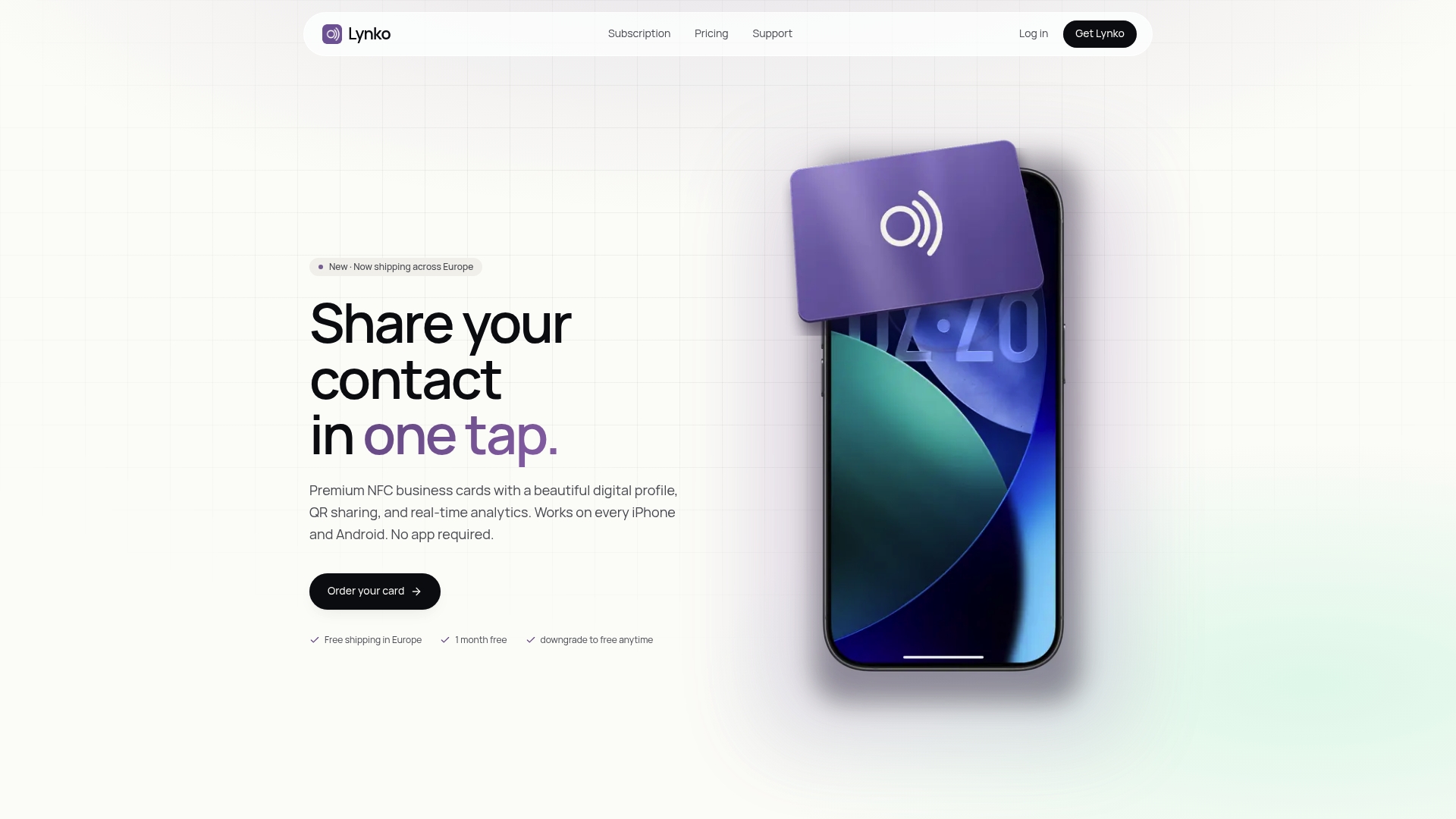
Lynko's NFC business cards are built for professionals who need a tap-to-share profile that reflects their identity precisely. Each card links to a fully customisable digital profile with unlimited social links, a contact-saving function, Google reviews integration, and real-time analytics. There is no app for the recipient to download. Setup takes minutes, the profile updates instantly, and every card is GDPR-compliant. For a freelance creative, a designer, or an artist who networks regularly, Lynko removes the gap between meeting someone and giving them a reason to remember you. You can also share work samples directly from your profile with a single tap.
FAQ
What is NFC and how does it work for creatives?
NFC (Near Field Communication) lets a smartphone read data from a physical chip by touching or holding the phone close to it. For creatives, this means a business card, artwork, or product can instantly open a digital portfolio or contact page on any modern smartphone.
Do recipients need an app to use an NFC business card?
No app is required. NFC works natively on all modern iOS and Android smartphones, so the person you hand your card to simply taps it and the page opens in their browser.
How is NFC better than a QR code for portfolio sharing?
NFC requires no camera alignment, no scanning, and no URL typing. NFC engagement rates are meaningfully higher than QR codes because the interaction takes under a second with no steps in between.
Can I update my NFC card after it has been printed?
Yes. Cards programmed with a dynamic URL let you change the destination page at any time without replacing the physical card. This makes NFC a long-term asset rather than a fixed print item.
What EU regulations affect NFC use for creatives in 2026?
EU Regulation 2024/1781 (ESPR) requires Digital Product Passports for many product categories by 2027. NFC is the primary delivery method for these passports, making it a compliance tool as well as a branding one for creatives in fashion and product design.